Bumble’s AI Assistant Bee: What It Actually Does
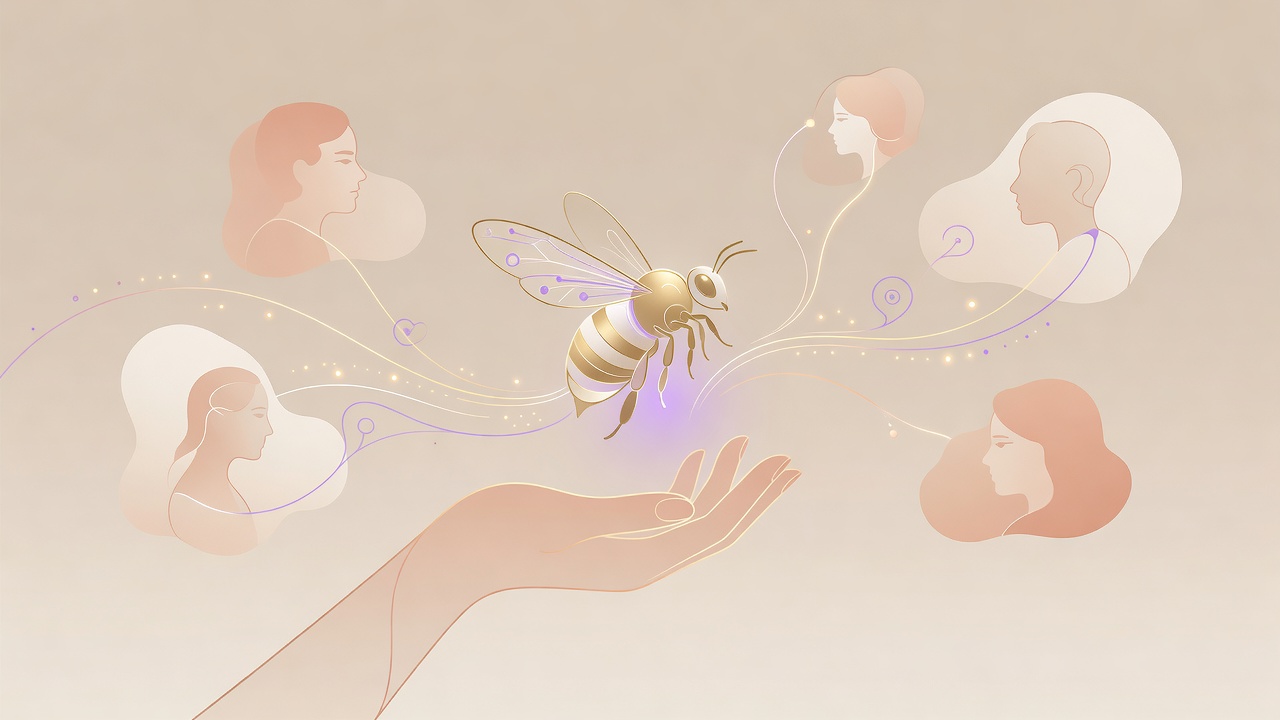
Bumble has introduced Bee, an AI dating assistant designed to learn what users want and help surface more relevant matches. The feature powers a new experience called Dates and sits inside a broader push to move the app beyond pure swiping. It is still rolling out gradually, with early pilots limited to selected users.
How Bee Works
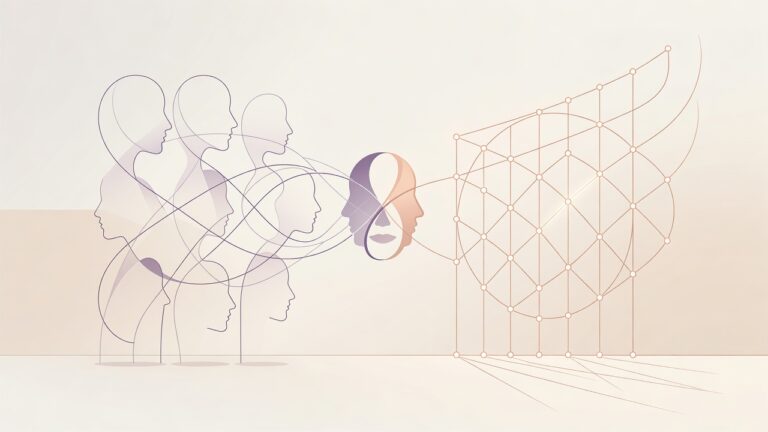
Bee starts with a private onboarding conversation. It asks about values, relationship goals, communication style, lifestyle, and dating intentions. Those answers are used to find people with overlapping priorities. When a potential match is identified, both users can receive a short explanation of why they were paired.
According to Bumble, chats with Bee stay private and are not posted on public profiles. Users can also control what parts of that conversation may be shared with a potential match. The company has said Bee is not meant to write messages for users or run conversations on their behalf.
Dates, the experience powered by Bee, is intended to reduce dead-end chats and help people move from match to real-world meeting more efficiently. In early testing it has been invite-only in limited markets, including a pilot in New York.
Where This Fits in Bumble’s Strategy
CEO Whitney Wolfe Herd has framed Bee as part of a larger redesign of the product. Bumble has discussed reducing reliance on the classic swipe and using richer signals to improve match quality. Bee is presented as the intelligence layer behind that shift, not as a full replacement for human judgment.
The company has also pointed to possible future uses, such as date suggestions and anonymous feedback after meetings. Availability and pricing may evolve. Early access has been free in pilots, with the possibility of premium positioning later.
What Users Should Keep in Mind
AI matchmaking can reduce noise, but it also concentrates a lot of personal information in one system. Useful habits:
- Treat Bee as an input, not a final decision-maker
- Keep control over what you share in onboarding
- Move offline once mutual interest is clear
- Watch privacy settings as the feature expands
Bee is one of the clearest attempts by a major dating app to replace low-signal swiping with deeper preference matching. Whether it improves real outcomes will depend on match quality, user trust, and how much control people retain over the process.
Source: TechCrunch (https://techcrunch.com/2026/03/12/bumble-introduces-an-ai-dating-assistant-bee/), Bloomberg, Bumble Support, company earnings commentary
Disclaimer: FindLove.ai provides independent editorial content for informational purposes. We may earn commissions from some links. This never influences our recommendations.