What an AI Matchmaker Is (and What It Is Not)
“AI matchmaking” is now on earnings calls and waitlists. It is also on tools that only rewrite your Tinder opener. Those are not the same product. If you mix them up, you pay for the wrong thing and stay in the same swipe loop.
FindLove uses a simple test: does this product introduce you to a person and push a real meeting, or does it only help you operate a dating app you already have?
The test in one line
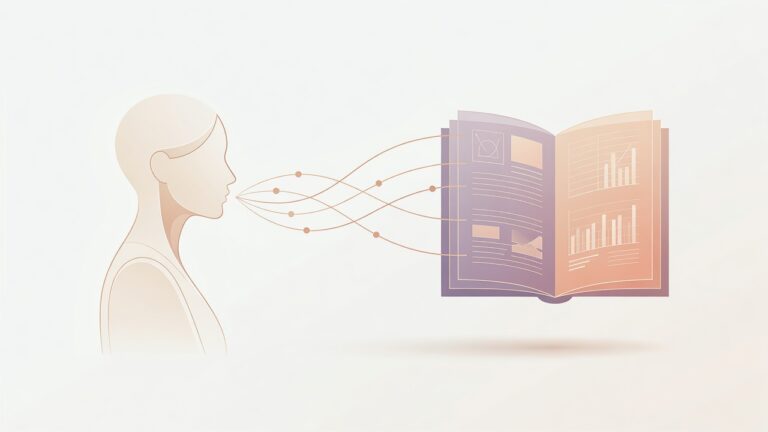
An AI matchmaker learns a small set of preferences, then proposes one person (or a handful), often with a reason, and often with a date attached. You do not get a grid of 200 faces.
A dating app with AI still gives you a feed. The model may rank profiles, write a prompt, or check that a face is live. You are still browsing.
A wingman (ChatGPT, Rizz, YourMove) writes text. It does not know who is free on Thursday in your city.
If you are unsure which bucket you need, take the Finder. If you already know you want fewer profiles, start with best AI matchmaking apps.
What the better products actually do
Most of the 2025-2026 wave shares a pattern.
You talk to a bot or fill a long form. Sometimes you record voice, which is the pitch behind Overtone (Hinge founder Justin McLeod, $18M, waitlist, select cities). Sometimes you need a college email and get one intro a week over iMessage, which is Ditto. Sometimes the app books the table and charges a date token, which is Amata or Breeze (Breeze is “no chat, just dates,” not a voice oracle).
Sitch adds human profile review and sells setup packs in a short US city list. Known started as a San Francisco talk-first service. Keeper uses a Marriage Bounty model: you pay around intros and a success fee, not a Tinder-style month.
None of this is magic. The constraint is almost always geography and supply. If the product is not live in your city, the AI does not matter.
Side by side: Overtone vs Ditto vs Amata.
What the big apps mean when they say AI
Tinder, Hinge, and Bumble are adding ranking, photo tips, conversation starters, and safety checks. Match Group has talked about rolling more of this into Europe.
That can make a feed less noisy. It does not turn Tinder into a matchmaker. You still open a stack of profiles. Bumble even dropped its old women-message-first rule in August 2026. Still a swipe app.
Grindr’s EDGE tier is a paid AI layer on a proximity grid. Same idea: extra software on an existing marketplace, not a weekly curated intro.
Wingman tools sit in a third bucket
Rizz and YourMove help when you already have matches and freeze on the first line. They will not invent a pool. ChatGPT does the same job with more generic prose.
Use them after you picked an app. Do not use them instead of meeting someone.
How to spend money without fooling yourself
- If swipe fatigue is the problem, a $10/week wingman is the wrong fix. Look at a curated service in your city, or one primary app plus a time cap.
- If you are not in NYC, SF, LA, Chicago, Austin, a campus on Ditto, or another listed city, waitlist copy is marketing. Use Hinge or a local major.
- If the pitch is “AI will pick your person” and the UI is still a grid, it is a dating app.
- If photos are generated, keep them as a minority of the grid. A first date is a verification step, not a vibe check.
We do not run month-long paid field tests on every product. Scores are editorial. Method: How we rate.
A sane default for this week
One primary app you will actually open. Or one matchmaker that operates where you live. Not five downloads and a ChatGPT tab.
AI matchmaking is real as a category. It is small, local, and often waitlisted. The phrase will keep showing up in press. The useful move is to sort the product, then go to a table.
Disclaimer: FindLove.ai provides independent editorial content for informational purposes. We may earn commissions from some links. This never influences our recommendations.